


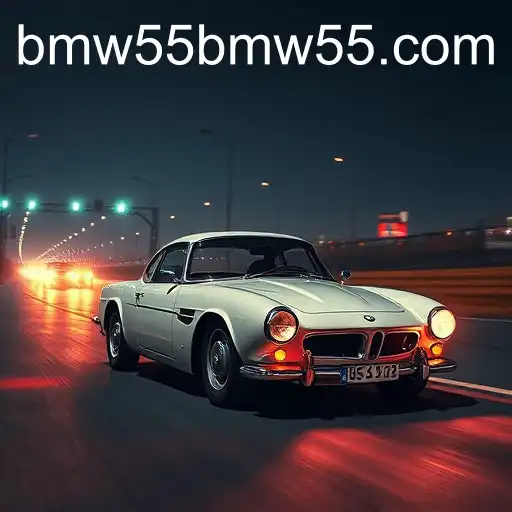
Exploring the intersection of technology, gaming culture, and classic car enthusiasm in 2025.
As we approach the midpoint of the 2020s, the intersection between gaming and car culture has never been more pronounced. The keyword '55bmw' on leading gaming websites symbolizes more than just a digital tag—it's a nod to a fusion of modern tech with classic automotive heart. With the new calendar year being 2025, this partnership is a testament to innovation and nostalgia working hand in hand.
The gaming industry continues its upward trajectory, touching diverse demographics and igniting passion in areas traditionally reserved for real-world enthusiasts. For car lovers, especially those with an affinity for iconic models like the BMW 55 series, this represents a significant shift. The resurgence of vintage cars in gaming allows players not just to drive these machines in a digital playground, but also to experience the thrill and style that these vehicles offer.
This trend is particularly visible in simulation games that focus on accurate representation of car dynamics and aesthetics. Developers now offer rich narrative experiences where players can upgrade, race, and immerse themselves in a world where the 1955 BMW can sit right alongside cutting-edge electric vehicles. This blend of traditional and future tech reflects broader societal shifts towards embracing heritage while innovating for tomorrow.
Industry experts indicate that these gaming experiences are influencing real-world consumption and interest. Car auctions and dealerships report growing interest in vintage models—a direct correlation with their prominence in the gaming world. This newfound interest helps preserve automotive history while also opening new pathways for young gamers to become future collectors or automotive designers.
Furthermore, these developments unify communities. Online forums and gaming channels dedicated to car culture witness spirited debates and knowledge exchanges about car modding, tuning, and racing strategies. The term '55bmw' frequently pops up in conversations as enthusiasts and players share tips and tricks to master driving these digital classics.
In essence, the interplay between gaming and automotive culture signifies a revolution in how we perceive and partake in both industries. As technology advances, we anticipate this trend becoming a staple in entertainment, fueling interest in both virtual and physical realms of classic cars. Such dynamics position gaming not just as a form of leisure but as a cultural bridge, marrying history with present-day ambitions.

