


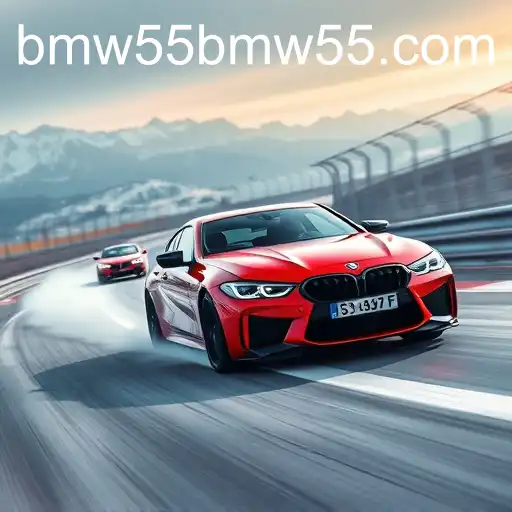
Exploring the intersection of virtual gaming and real-world automotive industries in 2026.
As the gaming industry continues to expand, 2026 marks a pivotal year where the line between virtual and real-world experiences increasingly blurs, particularly in the realm of motorsport gaming. The keyword '55bmw' has gained significant traction on an English gaming platform, signifying a rising interest in realistic automotive simulations that capture the thrill of real-life motor racing.
In recent years, technological advancements have enriched gaming experiences, with virtual reality and augmented reality becoming central to gaming dynamics. This shift is paralleled by developments in the automotive industry, where leading manufacturers like BMW are leveraging gaming technologies to enhance vehicle design and performance testing. The synergy between these sectors is not only reshaping how games are played but also how cars are conceptualized, produced, and marketed.
One prominent example is BMW's partnership with gaming developers to create realistic driving simulations that provide users with immersive experiences of their high-performance vehicles. These simulations use real-world data to deliver an unparalleled sense of speed and control, giving players the sensation of being behind the wheel of an actual BMW on varied terrains.
This trend is bolstered by the growing eco-system of e-sports, where competitive racing games have attracted global audiences and substantial investment. Such virtual competitions are driving innovation in both gaming and automotive technology, as they demand enhanced realism and performance fidelity.
Analysts predict this convergence of gaming and real-world innovations will continue to evolve, creating new opportunities for collaboration across industries. Companies that once solely focused on physical cars are now considering digital avatars and virtual showrooms as viable pathways to engage younger, tech-savvy consumers.
Ultimately, the '55bmw' phenomenon symbolizes more than just a digital pursuit of speed. It reflects a burgeoning relationship between virtual experiences and their tangible influence on automotive advancements, highlighting a transformative era where gaming is an integral part of strategic industry progress.

